Doors fail on a schedule, whether or not you have one
An entrance cycles tens of thousands of times a year. Closers drift out of adjustment, pivots and hinges wear, weatherstripping compresses, operators fall out of calibration, and exit devices begin to drag. None of that happens overnight, and all of it is visible months before the door stops working.
The alternative to a schedule is not no cost. It is the same work done at emergency rates, after hours, with a door propped open and a security exposure in the meantime. Preventive maintenance moves that spend from reactive to planned, and it is almost always the cheaper column.
What a program covers
Programs are built per opening, not per building, because an automatic sliding entrance and a back-of-house service door do not need the same attention on the same interval.
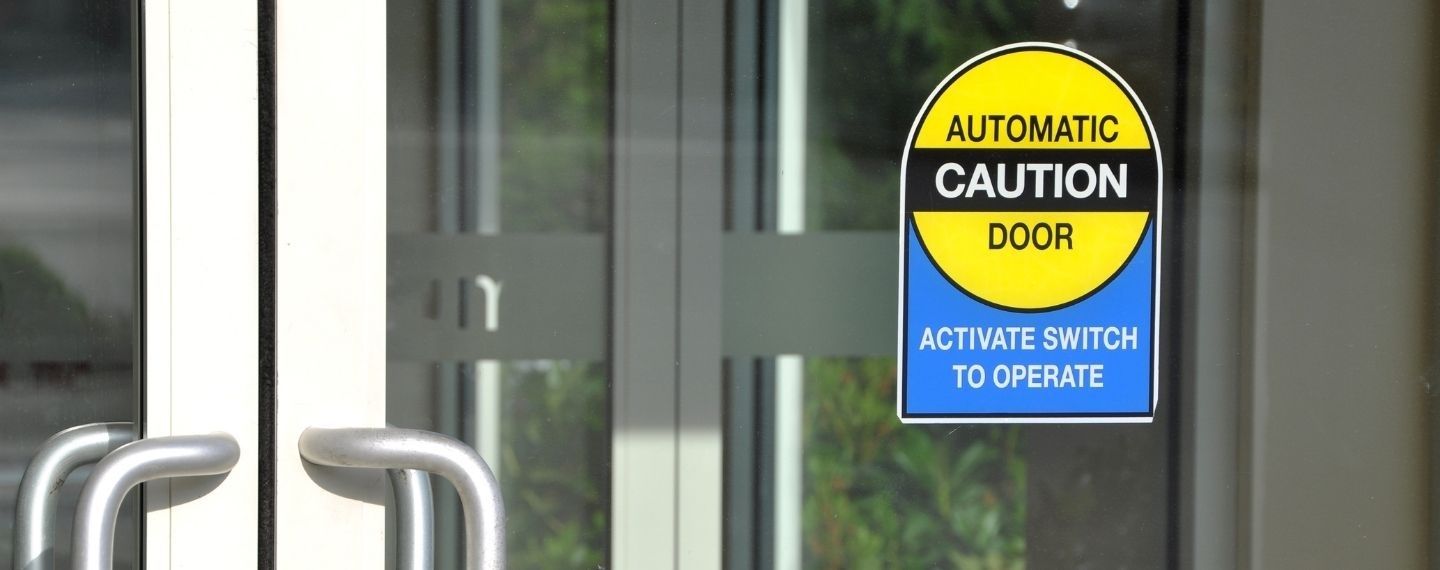
Automatic entrances. AAADM-aligned safety inspection, sensor and activation testing, operator calibration, belt and drive wear, breakout force where applicable.
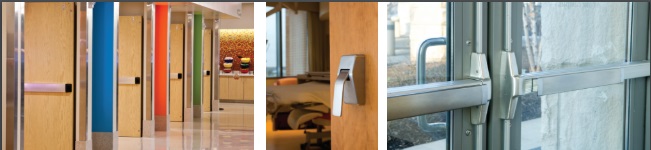
Swinging doors and hardware. Closer adjustment and latching, exit device function, hinge and pivot wear, gasketing, thresholds, alignment and clearances.
Fire-rated assemblies. Annual NFPA 80 inspection and documentation, carried out as part of the same visit rather than booked as a separate exercise.
Overhead and dock doors. Springs, cables, rollers, tracks and panels, operator and safety device function, on cycle counts that reflect how hard the door actually works.
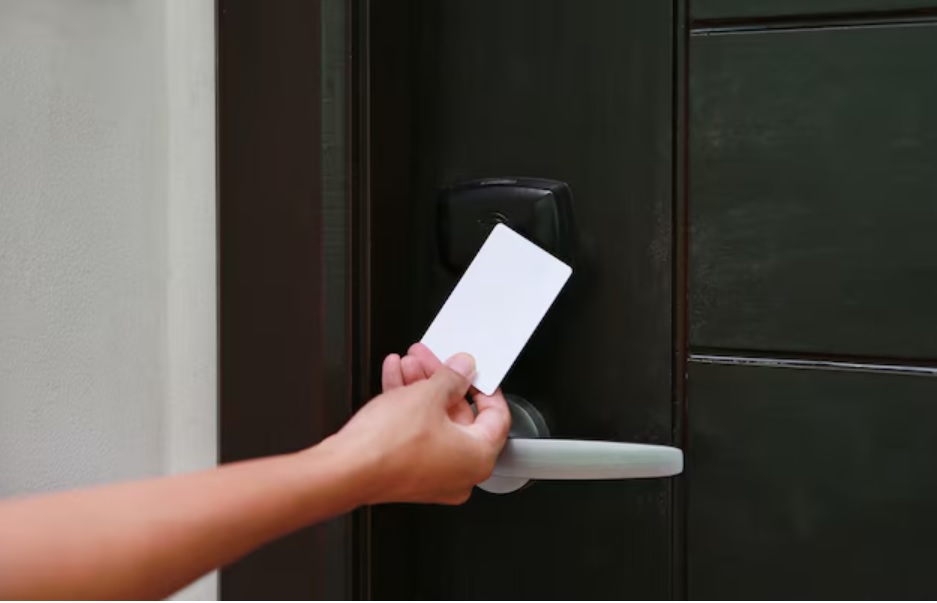
Access control and locking hardware. Strike and reader function, request-to-exit devices, door position monitoring, cylinder and key system condition.
Commercial doors Toronto
Every door has a record, and the door itself knows its number
We built our own software because nothing off the shelf tracked what we needed it to track. Generic field-service platforms are organised around jobs. Ours is organised around openings.
Doors in a program are physically tagged with a permanent asset ID. Scan the tag and you are looking at that specific opening: its location, type, hardware, fire rating where it applies, photographs, and its full service history. No door schedules in a spreadsheet, no guessing which of the four doors on the north side someone meant.
Technicians work from that record in the field and close the visit out on it, capturing findings and photographs against the opening rather than against a ticket that gets transcribed later. The history builds itself as a by-product of doing the work.
Your own portal, not a PDF in your inbox
Program clients get a login. From it you can see every opening in your portfolio, its condition, its history and its photographs, co-branded to your organisation, at any hour without going through anyone here.
You can raise a service request from the portal. Those requests come into our triage queue rather than auto-dispatching a truck, which matters if you work through a facilities management intermediary: your existing work-order and billing channel stays intact, and nothing bypasses it.
Access is yours to control. Regional managers can be scoped to their own sites, and head office sees everything.
Commercial doors Toronto
Reporting you can take into a budget meeting
Every program visit produces a report in the same format, across every site in the portfolio. That consistency is the point. Fifteen reports in fifteen formats is not a portfolio view.
Reports identify what was serviced, what was corrected on the visit, and what is deteriorating but not yet urgent, with photographs. That last category is the useful one. It is what lets you put a number against next year’s door capital rather than discovering it as an emergency in February.
For multi-site clients we roll that up: openings by condition, recurring problems by location, and what is coming due.
Commercial doors Toronto
How a program gets set up
Survey. We attend and document every opening in scope, including the ones not on anyone’s list. Portfolios routinely come back with more doors than the client expected.
Tag and register. Each opening is tagged and entered with its hardware, rating and baseline condition. This is the piece that makes everything afterwards comparable year over year.
Schedule and scope. Intervals set by opening type and traffic, with the inspection requirements that apply to it built into the cycle rather than tracked separately.
Portal and reporting. Logins issued, access scoped, and reporting format and cadence agreed before the first visit.