A loose handrail, a damaged ceiling tile, a washroom partition that will not latch, a sign that has come away from the wall. None of them justify their own procurement exercise, and all of them generate a work order.
Raising three tickets to three vendors for three small repairs costs more in coordination and mobilisation than the repairs themselves. Our clients asked us to take this work on because we are already attending their sites, and that is exactly why it works.
What we cover
Carpentry, drywall, patch and paint. Millwork and partitions, wall and corner repair, and making good after other trades have finished.
Washroom fixtures and partitions. Accessories, dispensers, grab bars, partition hardware and door repairs — among the most common tickets in any public building.
Ceilings, flooring and signage. Ceiling tile and grid, floor transitions and thresholds, wayfinding and room signage.
Licensed electrical and plumbing. Carried out by licensed trades, not by a general technician working beyond their ticket.
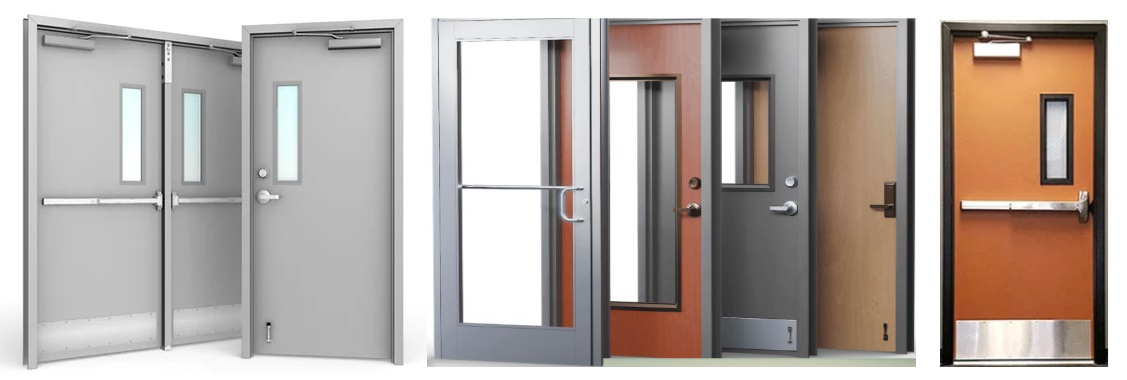
Commercial doors Toronto
Why bundling it with door work pays
Most of the cost in a small repair is getting someone to the building. When a technician is already on site for a door call, the second and third job cost a fraction of what they would as separate attendances.
For multi-site clients that compounds. A scheduled visit can close out a list of accumulated minor items across a property in a single trip rather than a sequence of individual call-outs.
Scoped and reported like the rest of our work
General repairs go through the same process as everything else we do: scope confirmed before work starts, not-to-exceed limits respected, photographs before and after, and completion documented in the same format as your door and hardware records.
One vendor, one invoice format, and a maintenance history that lives in one place rather than scattered across four contractors.