
The door closer does more work than any other piece of hardware on a commercial door, and it is the one most often blamed when a door misbehaves. Many closer complaints can be fixed with a screwdriver in a few minutes. Some cannot. This guide explains how to tell the difference.

A closer is a spring and a hydraulic cylinder. The spring closes the door, and the fluid controls how fast. Most commercial closers have separate adjustments:
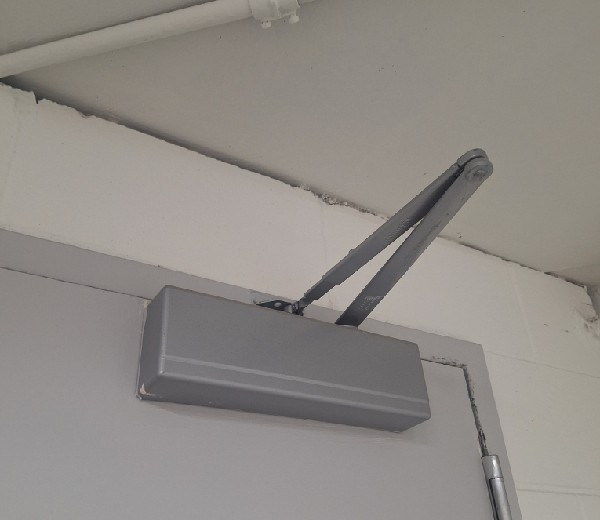
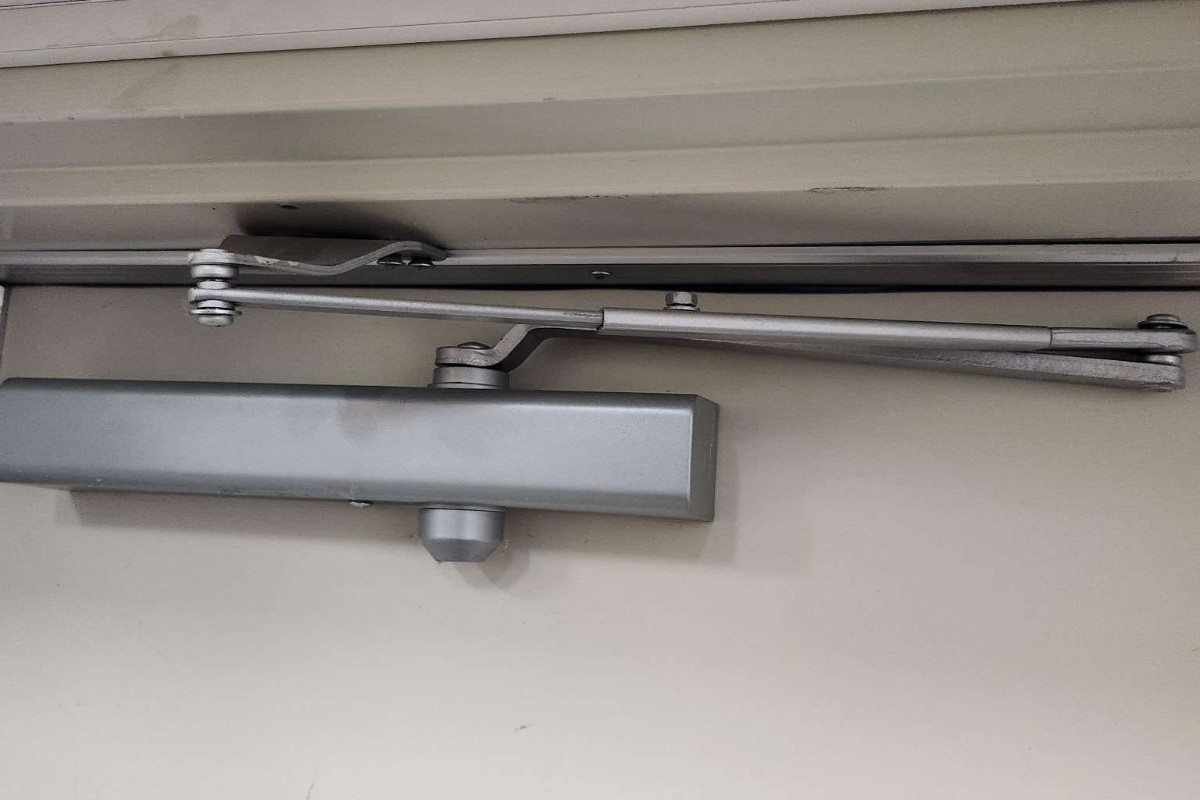
| What you see | Likely cause | Usual fix |
|---|---|---|
| Door slams shut | Sweep or latch speed set too fast, or fluid has leaked out | Adjust. Replace if leaking. |
| Door closes but does not latch | Latch speed too slow, spring power too low, or air pressure in the building holding the door off the latch | Adjust latch speed and spring power |
| Door is hard to push open | Spring power set higher than the door needs | Reduce spring power, within what the door needs to close |
| Door swings open and hits the wall | Backcheck set too light or not working | Adjust backcheck. Add a stop if needed. |
| Oil on the closer body or the door | Seal has failed | Replace the closer |
| Closer will not hold its adjustment | Internal wear or loss of fluid | Replace the closer |
| Arm is loose, bent or noisy | Fasteners have worked loose, or the arm has been forced | Tighten or replace the arm |
| Door closes at different speeds in winter and summer | Fluid thickens in cold weather, common on exterior doors | Seasonal adjustment |
When a closer is replaced, the new one should be matched to the door: its width and weight, whether it is an interior or exterior door, and how much traffic it carries.
A fire door has to close and latch by itself every time. That makes the closer part of the fire protection of the building, not a convenience. A closer that has been disconnected, a door that is propped open, or a closer too weak to latch the door are all deficiencies in a fire door inspection. A replacement closer on a fire door has to be one that is listed for that use.
Building codes limit how much force a person should need to open a door on an accessible route. A closer set too strong can put a door outside that limit, so spring power is a balance: enough to close and latch the door, and no more. Where a door cannot meet both needs, an automatic operator is the usual answer.
If the same door goes through closers, the closer is rarely the real problem. Look for a door that is binding in its frame, hinges that have dropped, wind or building air pressure working against the door, or people forcing it. Fix the cause and the closer will last.
For closer adjustment, repair and replacement, see commercial door hardware and commercial door service.