
Every electrified lock has to do something when the power goes out. It either unlocks or it stays locked. That choice is called fail safe or fail secure, and getting it wrong creates a security gap or a code violation. This guide explains the difference and how to choose.
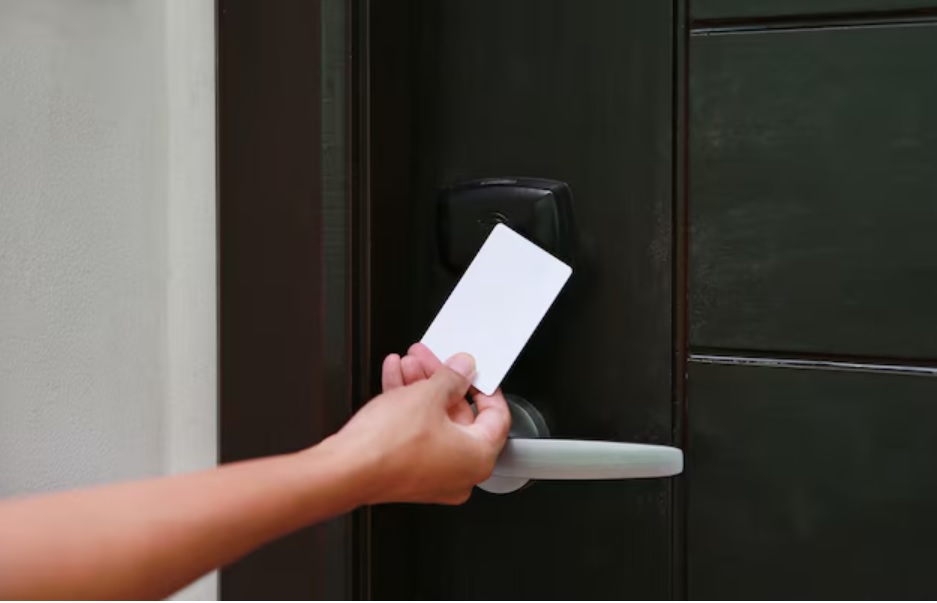
Fail safe hardware needs power to stay locked. When power is cut, by an outage or by the fire alarm system, the door unlocks.
Fail secure hardware needs power to unlock. When power is cut, the door stays locked from the outside.
Both terms describe what happens on the secure side, the side a person needs a credential to enter from. Getting out is a separate matter. Building codes require that people can leave through an exit door without a key, a card or special knowledge, and that has to hold whether the power is on or off.
| Hardware | Typical behaviour | Notes |
|---|---|---|
| Electric strike | Usually fail secure. Available as fail safe. | The latch stays in the strike, so the door remains latched when locked. |
| Electromagnetic lock | Fail safe by nature | A magnet only holds while it has power. Closely regulated by building codes. |
| Electrified lock or lever trim | Available either way | The lever on the secure side is locked or unlocked electrically. The inside lever always opens the door. |
| Electrified exit device | Available either way | Controls the outside trim, or retracts the latch electrically. Pushing the bar always opens the door. |
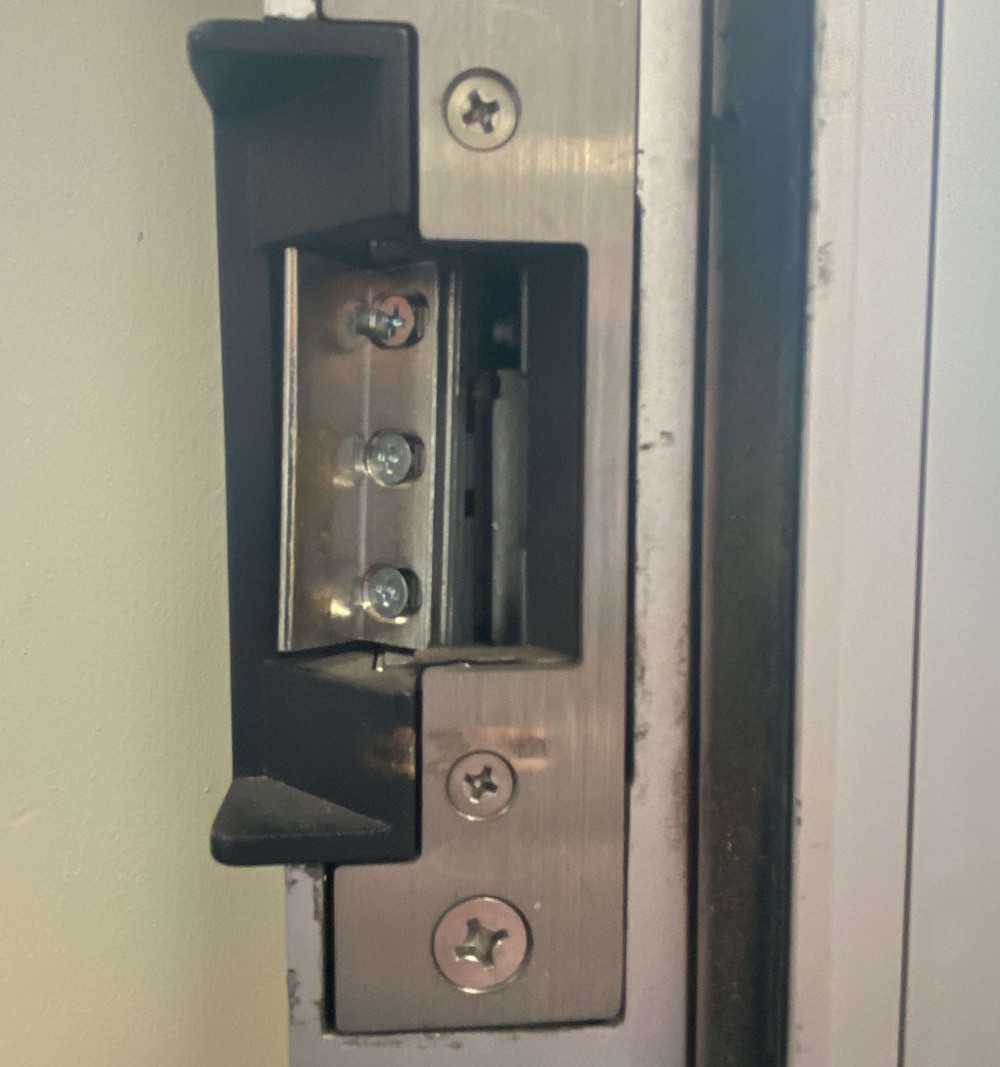
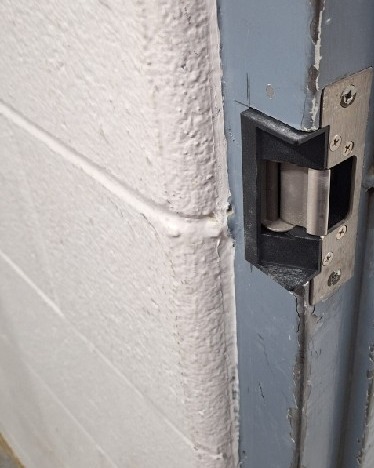
Fail secure is the usual choice for doors that protect property: perimeter entrances after hours, server rooms, stock rooms, cash rooms and pharmacies. A power failure does not open the building. People inside still leave by turning the lever or pushing the exit device, which works mechanically.
Fail safe is used where a door has to unlock in an emergency so that people can get through from the locked side. Stairwell doors that are locked from the stair side are the common example: codes generally require them to unlock when the fire alarm operates, so people in the stair can re-enter a floor. Electromagnetic locks are fail safe by design, since a magnet with no power holds nothing.
If a fail safe door also has to stay locked through an ordinary power cut, it needs battery backup.
A fire door has to stay latched during a fire so that it holds back smoke and flame. A fail safe electric strike releases the latch when power drops, which would leave the door unlatched at exactly the wrong moment. For that reason an electric strike on a fire-rated door has to be fail secure, and it has to be listed for use on fire doors. Where a fire door must also unlock on alarm, the usual answer is an electrified lock or exit device trim that unlocks the lever while the door stays latched.
Maglocks are simple and strong, and they are also the most regulated type of electrified hardware. Building codes set where they can be used and how they must release, typically on fire alarm, on loss of power and by a manual release at the door. Many municipalities require a permit to install one. Check before specifying a maglock on any exit door.
For the types of strike and how they are selected, see different kinds of electric strikes. For supply and installation, see commercial door hardware.
This guide is general information. Building and fire codes vary by province and by building, and the authority having jurisdiction has the final say.